The Enduring Legend of Zelda
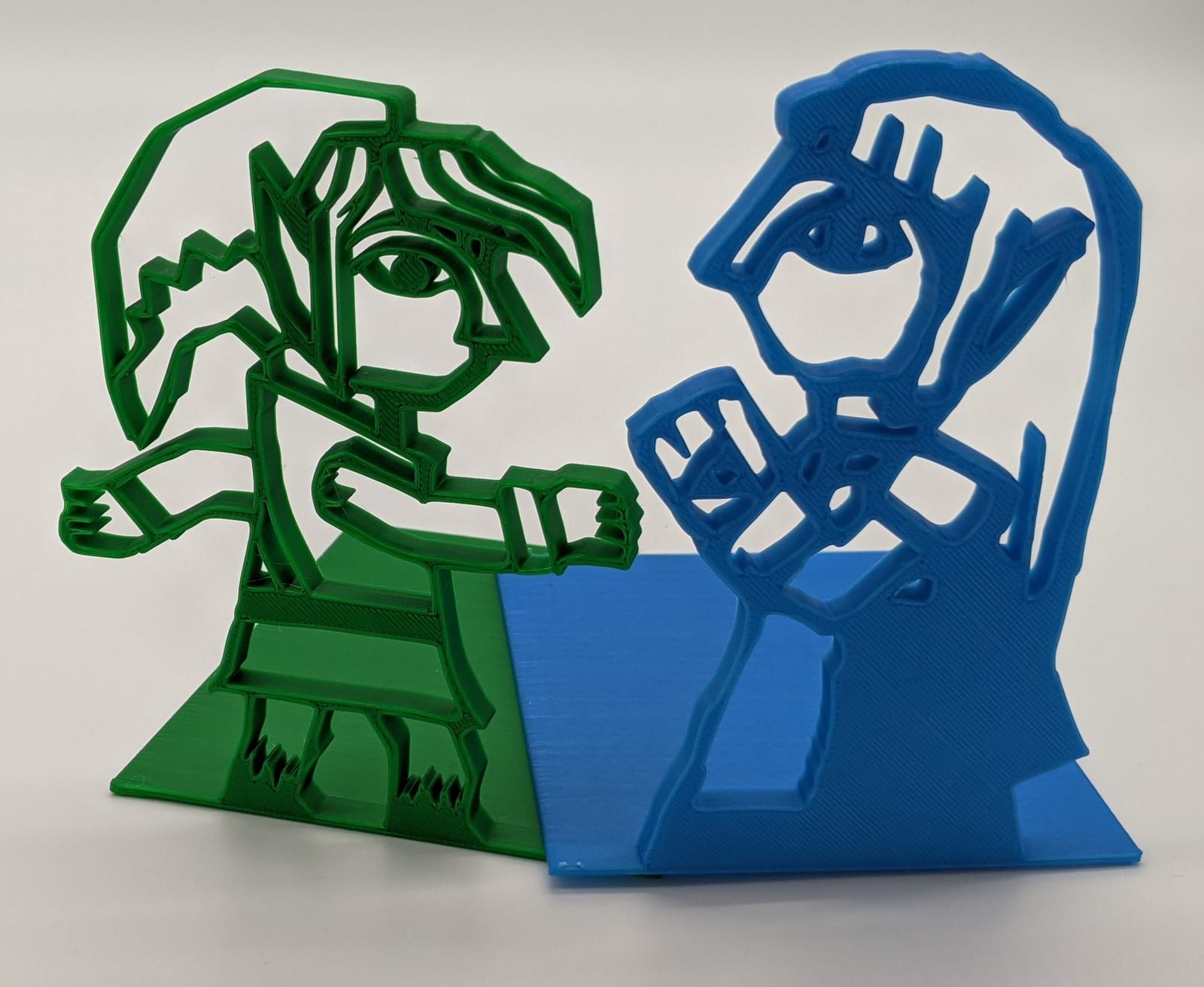
Forty years on, the series still teaches you to be curious instead of careful. Here's why it keeps working.
Most long-running game series survive on nostalgia. Zelda survives on a single, stubborn idea: the world is more interesting than the quest. You can ignore the dungeon, climb the mountain you weren't supposed to climb yet, and the game quietly rewards you for it instead of slapping your wrist.
We replayed a stack of them back to back — the old top-down ones, the big 3D ones, the new open-air ones — and the throughline isn't the sword or the princess. It's that the games trust you. They hand you a map full of question marks and assume you'd rather poke at it than be told where to go.
Curiosity over caution
That's a rare design philosophy, and it's why a forty-year-old series still feels less dated than games from last year. The best Zelda moments aren't scripted — they're the thing you tried because you wondered if it would work. A bomb on a suspicious wall. A paraglider off a cliff you had no business jumping from.
It's also, if we're honest, a decent way to live. Be a little more curious than careful. Climb the mountain. Worst case you fall — and in our experience, you mostly don't.
More finest things
The Healing Power of Water
Half the advice people pay specialists for is just: drink more water. Here's the unglamorous case for the finest free medicine.
Come Find Us at the Elder Pine Holiday Market
We're bringing a booth full of fresh prints to the pop-up on November 8th. Cash, cards, and free fidgets to fiddle with.
Fruity Rice Krispy Treats
A simple twist on a classic — party pleasers that won't break the budget and disappear in minutes.